

There’s a moment many of us recognize this:
You wake up with a heavy head. One nostril blocked, the other half-working.
Breath feels shallow, sleep wasn’t great, and your body seems to be moving through fog.
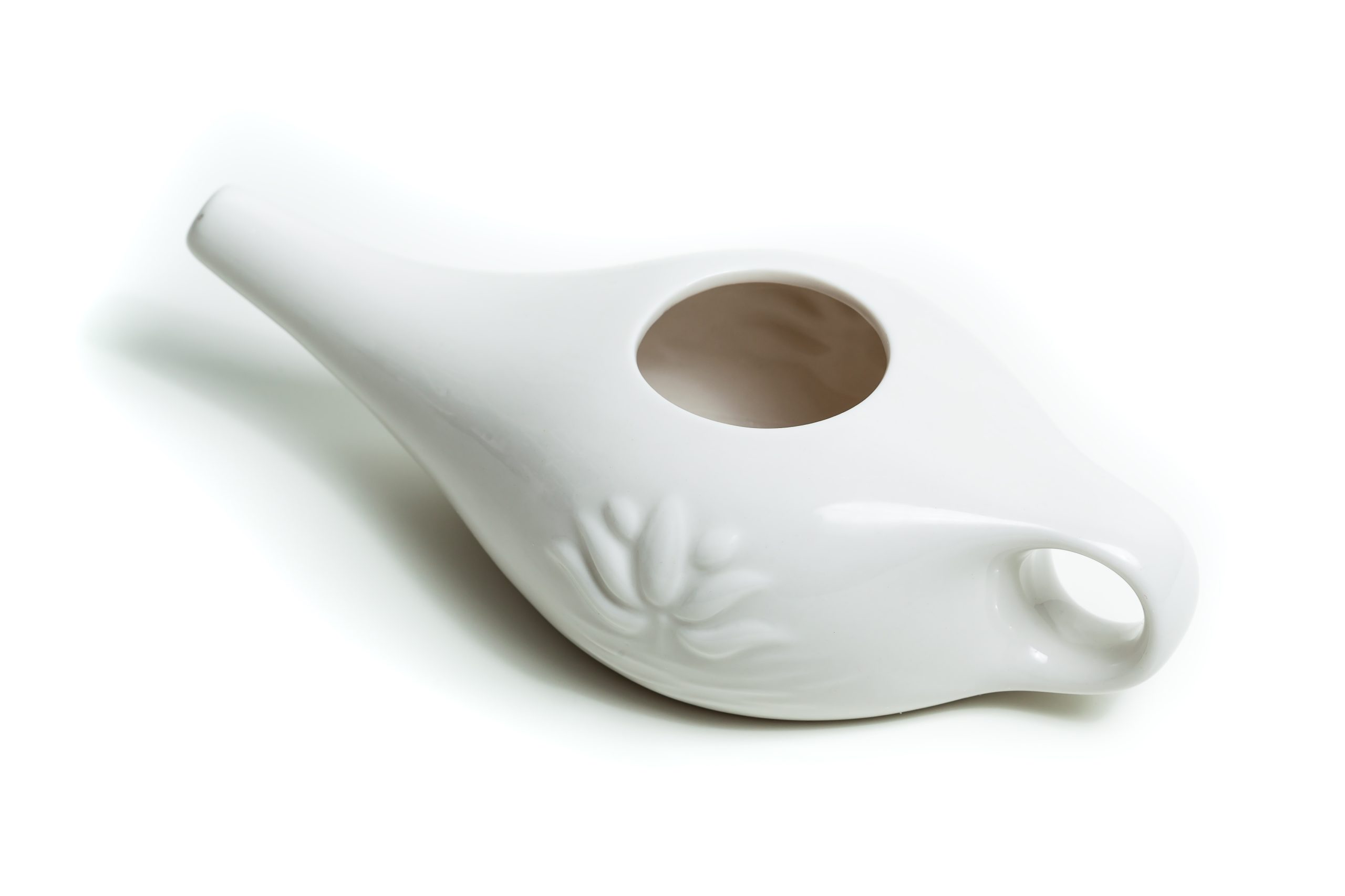
This is often when people discover the Neti pot; sometimes out of curiosity, sometimes out of mild desperation.
But in yoga, the Neti pot was never meant as a last resort. It was meant as a quiet ally for breath, clarity, and balance.
Neti Pot: Not a Cure, but a Support

In traditional yoga practices, jala neti (nasal cleansing with warm saline water) is part of shatkarma — cleansing techniques designed to support the body before deeper practices like pranayama and meditation.
The goal was simple: clear the pathways of breath, so the nervous system can settle.
Not to “force open” the nose.
Not to fight mucus.
But to help the body do its job with less resistance.
First, an Important Truth About Blocked Nostrils
A blocked nose doesn’t always mean the same thing.
Before using a Neti pot, it helps to understand what stage you’re in.
1. Early congestion (pressure, dryness, mild blockage)
This is the ideal stage for Neti pot use.
You might notice:
-
pressure around the nose or forehead
-
dryness mixed with mild mucus
-
alternating blocked nostrils
At this stage, the Neti pot works beautifully.
It hydrates the nasal passages and helps prevent thicker mucus from building up.
How often: once a day, gently
Goal: maintain flow, not flush aggressively
2. Active mucus phase (cold, allergies, runny nose)
This is the stage most people think of.
Here, the Neti pot can:
-
help rinse out excess mucus
-
reduce allergen load
-
make breathing easier, especially before sleep
The key here is gentleness.
If the nose feels very sensitive or inflamed, forcing water through can feel uncomfortable. In that case, wait until the swelling slightly reduces, or use less water and a slower flow.
How often: once daily, or every other day
Goal: support drainage, not “clean everything out”
3. Severe blockage or sinus infection
This is where caution matters.
If:
– Water does not pass through at all
– Pressure or pain increases
– Sinuses feel deeply inflamed
It’s better not to use the Neti pot yet.
In yoga, cleansing was never meant to override the body’s limits.
At this stage, rest, warmth, steam inhalation, and hydration are often more appropriate.
The Neti pot can return later, when swelling eases.
How to Use the Neti Pot (The Yogic Way)
Not rushed.
Not forceful.
Not mechanical.
Basic principles yogis follow:
-
Always use lukewarm water
-
Always add salt (saline, never plain water)
-
The solution should feel similar to tears — not burning, not bland
-
Breathe calmly through the mouth during the rinse
-
Let gravity do the work
You tilt your head, pour slowly, and allow the water to flow out naturally through the other nostril.
No pushing.
No sniffing it back.
No rushing.
Afterward, gently blow the nose and allow a few minutes for residual water to drain.
📦 Safety Note: Using the Neti Pot with Care
A few important guidelines before you begin:
• Always use distilled, sterile, or previously boiled water (cooled to lukewarm). Tap water is not safe for nasal rinsing.
• Add non-iodized salt to create a gentle saline solution. Plain water can irritate the nasal lining.
• Clean and dry the Neti pot thoroughly after each use to prevent bacterial growth.
• Avoid using the Neti pot if your nose is completely blocked, if you feel strong sinus pain, or during an active ear infection.
• If symptoms worsen or persist, pause the practice and consult a healthcare professional.
Why Yogis Value This Practice
Because the nose is not just for breathing.
In yogic understanding, the nasal passages are closely linked to:
-
prana (life energy)
-
nervous system balance
-
mental clarity
A blocked nose often means disrupted breathing patterns, restless sleep, and difficulty focusing or settling.
When the breath flows freely through the nose, the body often follows with a subtle sense of calm.
Neti Pot as a Ritual of Care
Used this way, the Neti pot becomes more than a tool.
It becomes a pause.
A moment of attention.
A signal to the body that it’s safe to soften.
Not something you do aggressively when things go wrong. But something you return to gently, when you need support.

If you approach the Neti pot with the same mindset as yoga, or when you are drinking a cup of tea, listening instead of forcing, supporting instead of fixing it, can become a quiet, powerful ally for breath and balance.
Sometimes, clearing the nose is also about clearing the way back to yourself.
Breath, balance, and simple practices that support real life.