
A Softer Nervous System, A Kinder Plate, A Calmer Mind
We often speak about stress as if it exists only in the mind, as if it is just a chain of thoughts we need to manage better. But stress is rarely that simple. It lives in the jaw that stays tight long after the conversation is over, in the shoulders that never fully soften, in the breath that becomes shallow without us noticing, and in the stomach that feels unsettled even when the day is supposedly done. It shows up at night too, when the body is exhausted, but the nervous system is still alert, unwilling to let go.
This is why support for stress and anxiety should never be one-dimensional. Healing is rarely found in only one place. It is not just about movement, and it is not only about mindset. It is not only about food, either. Often, the most supportive path is a gentle combination of practices that help the body and mind feel safe again. For me, one of the most powerful combinations is Yin Yoga, steady breath, plant-based nourishment, and simple rituals that bring softness before and after practice. It is not a quick fix, and it is not a performance. It is a system of care.
Yin Yoga is especially meaningful in this context because it asks something very different from us than most modern wellness practices do. It does not ask us to push harder, improve faster, or achieve more. Instead, it invites us to slow down enough to notice what is happening inside. In Yin, poses are held for longer periods, usually between three and seven minutes, with as little muscular effort as possible. Rather than engaging the body in strong, active movement, Yin encourages support, surrender, and stillness. Props like bolsters, pillows, and blankets are often used so the body can rest into the posture instead of forcing it.
This slower approach matters deeply for people experiencing stress and anxiety. When we are constantly rushing, producing, reacting, and holding ourselves together, the body can remain trapped in a low-level state of defense. Many people live in a state that feels normal only because it is so familiar: tight chest, clenched muscles, restless thoughts, poor digestion, poor sleep. Yin Yoga offers a counterbalance to that pattern. It changes the internal climate. It gives the body time to shift out of fight-or-flight and toward a more regulated state. This is often described as activating the parasympathetic nervous system, the branch responsible for rest, digestion, and repair.
Research on yoga suggests that it can help reduce stress and improve aspects of anxiety and emotional well-being, even if the strength of evidence varies across different populations and study designs.
Yoga is increasingly understood as a valuable complementary practice, not necessarily a replacement for medical or psychological care, but a supportive tool that can work alongside it. More specifically, recent interest in Yin Yoga has started to reflect what many practitioners have already experienced firsthand.
A 2024 study on online Yin Yoga reported significant reductions in state anxiety, both across a ten-week intervention and immediately after individual sessions. This is important because it suggests Yin Yoga may not only support long-term emotional regulation, but may also offer real-time relief in moments of overwhelm.
Part of what makes Yin so effective is that it works on multiple levels at once. Physically, it targets the deeper connective tissues of the body, including fascia, joints, and ligaments. Fascia has become an increasingly important area of interest in understanding how the body stores tension and adapts to chronic stress.
When we spend long periods bracing, sitting, clenching, or emotionally holding ourselves together, that tension does not simply disappear. It becomes part of how we move and feel. Yin gives those layers time to release.
The result is not only improved mobility, but often a sense of spaciousness, groundedness, and quiet that is difficult to create through faster forms of exercise.
Breath is another essential part of the process. In Yin Yoga, the breath is not forced, but it becomes a guide. As the body settles into longer holds, the breath often begins to deepen naturally. Slower, steadier breathing sends signals of safety to the nervous system. This can help reduce the physiological symptoms of anxiety and bring the mind back into the present. For people who feel disconnected from their bodies or trapped in spiraling thoughts, this return to breath can be profoundly regulating.
Stillness also creates something many of us resist but deeply need: space. In the quiet of a held posture, emotions sometimes rise to the surface. Restlessness, sadness, frustration, tenderness, fatigue, all of it can appear. Yin does not ask us to analyze every feeling. It simply offers room for those feelings to exist without immediately reacting to them. This is part of why the practice can be so healing. It teaches us that not every sensation or emotion needs to be solved in the moment. Some things soften simply because they are finally given attention without pressure.
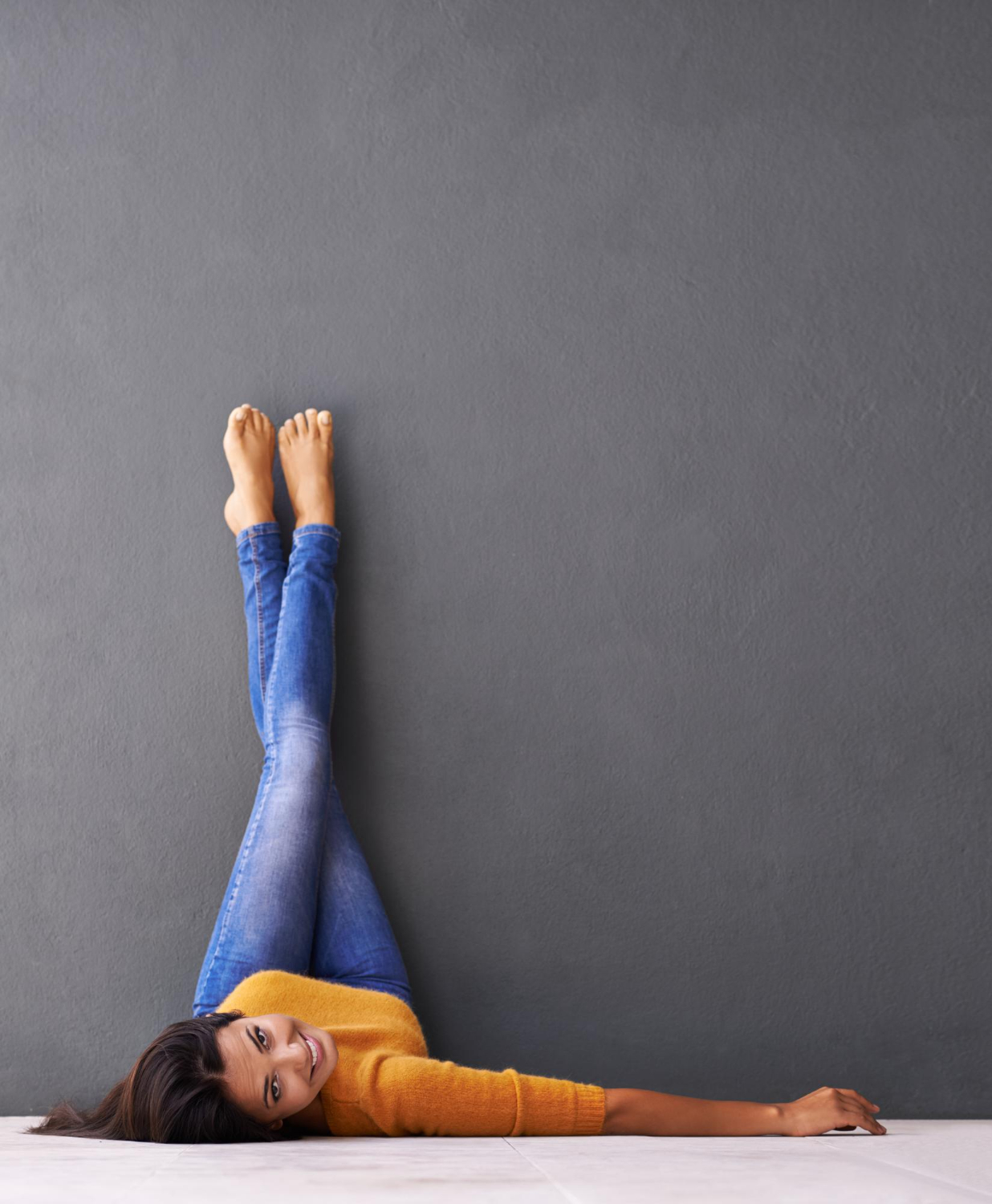
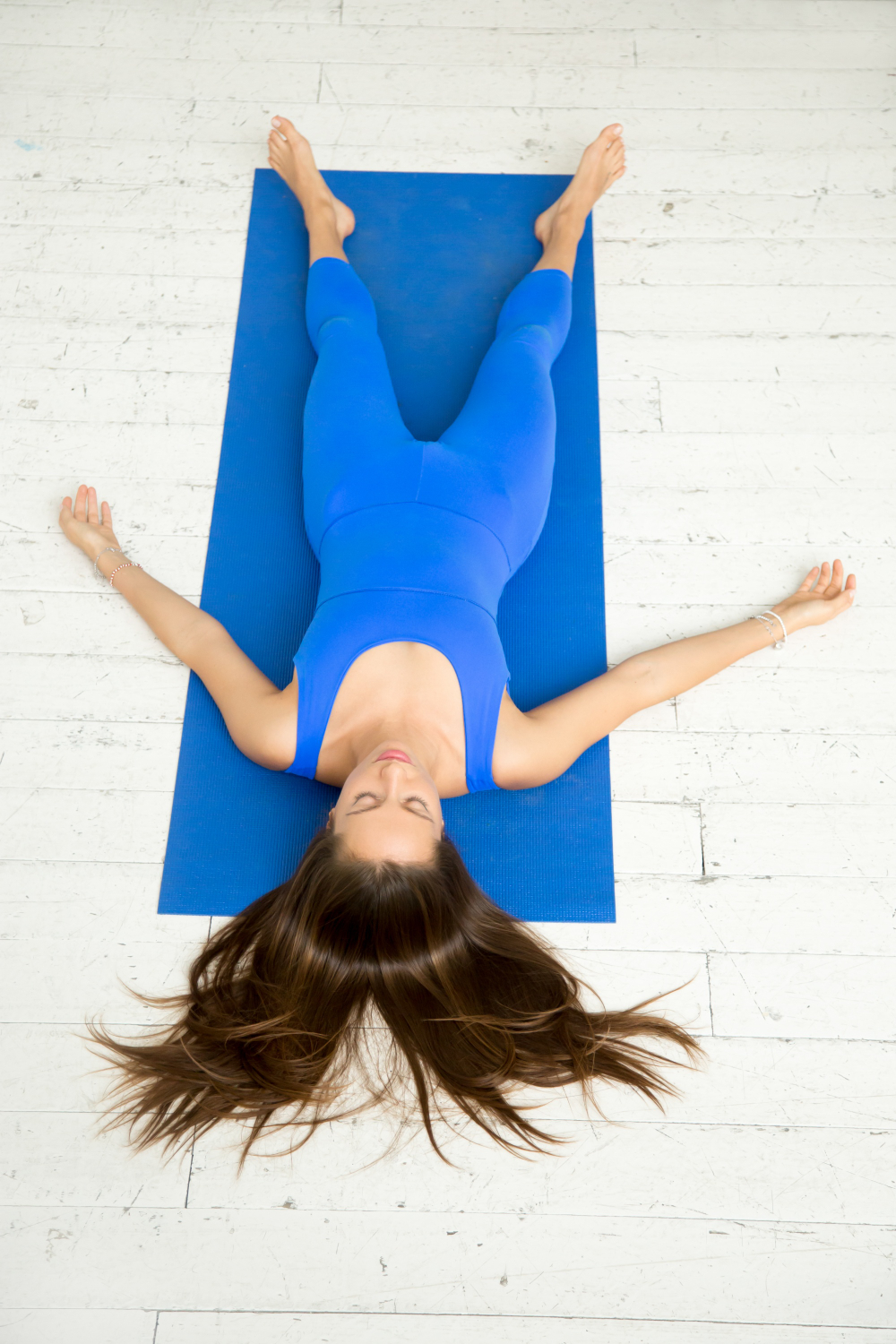
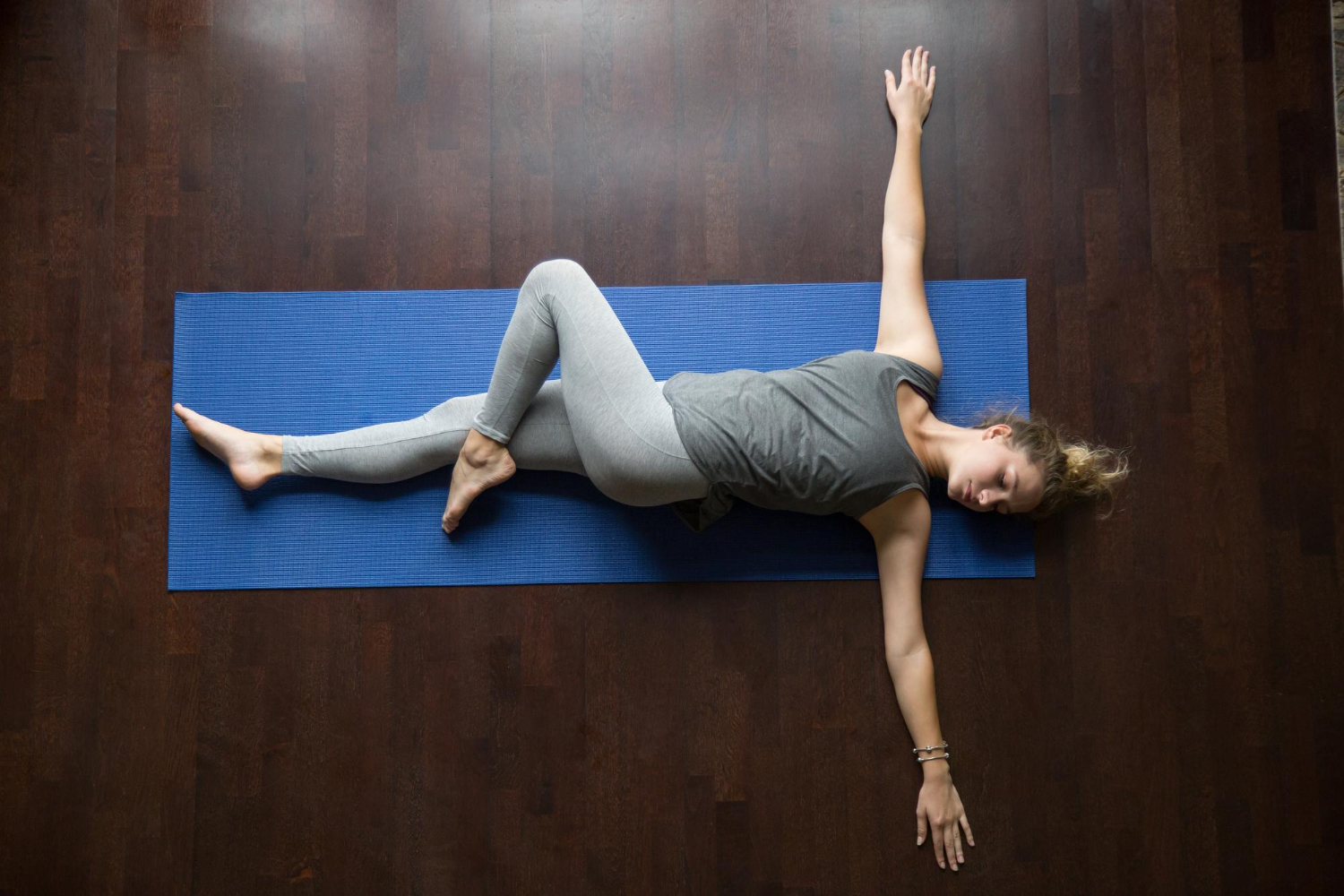
Certain Yin postures are especially supportive for stress and anxiety. Child’s Pose is one of the most grounding shapes, creating a feeling of safety while gently encouraging the breath into the back body. Legs Up the Wall is another deeply restorative posture that can calm the nervous system quickly and is especially useful in the evening or after overstimulation. Butterfly Pose, practiced in a soft Yin style, can help release the hips and invite inward attention. Sphinx Pose offers a mild heart opening without creating overwhelm, while reclined twists can ease spinal tension and support digestion, which is often affected by chronic stress. And then there is Savasana, perhaps the most important pose of all, because it teaches the body how to rest without apology.
Yet Yin Yoga does not exist in isolation. Its effects are often strongest when it becomes part of a wider ritual of support. This is where nourishment and lifestyle matter. A plant-based way of eating, when balanced and intentional, can support emotional well-being through steadier energy, reduced inflammation, and better gut health.
The connection between the gut and the nervous system is now widely recognized, and many people experiencing anxiety also experience digestive symptoms. A kinder plate, one rooted in whole, nourishing foods, can become part of the same healing conversation as the practice on the mat.
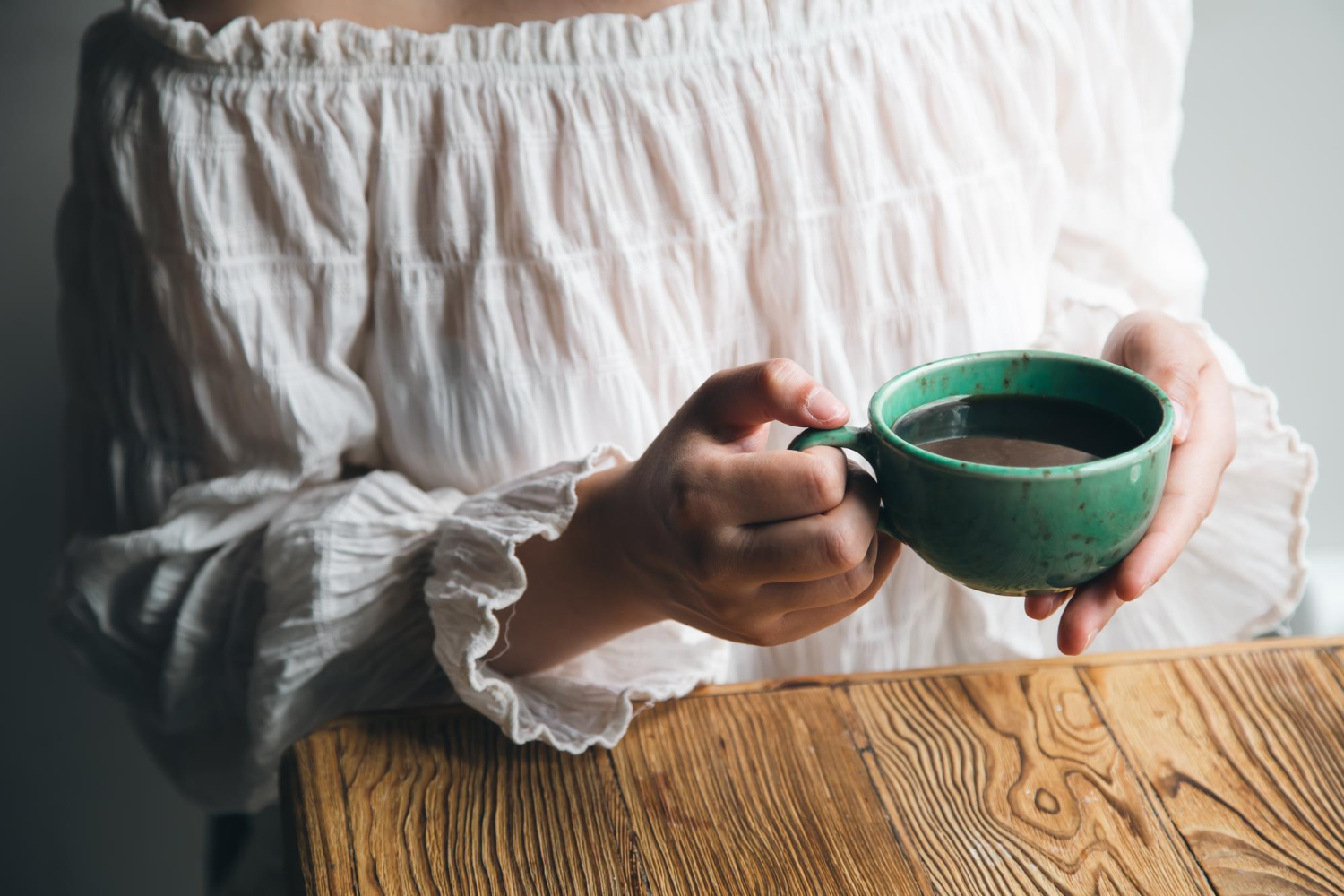
Supportive rituals around Yin also make a difference. Gentle breathwork before practice can prepare the body to receive stillness. Herbal tea, soft lighting, reduced screen time, journaling, or simply lying down for a few minutes after class can help extend the sense of regulation into the rest of the evening. These are not dramatic interventions, but that is precisely the point. Stress and anxiety are often amplified by a lifestyle of constant intensity. What helps is not always more stimulation, but more steadiness.
What makes Yin Yoga so special is that it offers something rare in a world built on striving. It offers permission. Permission to slow down. Permission to feel. Permission to stop performing wellness and start experiencing care. It reminds us that healing does not always come through effort. Sometimes it comes through allowing.
This does not mean Yin Yoga is a cure-all, and it should not be presented that way. Anxiety is complex, and for many people, professional mental health support is essential. Yin Yoga can be a companion, not a replacement. It can be one strand in a wider support system, one that includes therapy, community, nourishing food, rest, and honest self-awareness. But as a companion, it is a powerful one.
Stress and anxiety do not only ask us for solutions. They ask us for safety. They ask us for space. They ask us for consistency, for gentleness, for practices that do not demand more from an already overwhelmed system. Yin Yoga meets that need beautifully. It offers the possibility of a softer nervous system, a kinder relationship with the body, and a calmer mind that is not forced into silence, but gradually invited there.
At Ombo Yoga, this is the heart of the practice.
Not intensity for the sake of intensity, but softness with purpose. Not escape, but return. Not perfection, but presence.